Safe water and WASH
Projects that lower emissions by reducing the need to boil or otherwise treat drinking water with higher-emissions fuels.
Overview
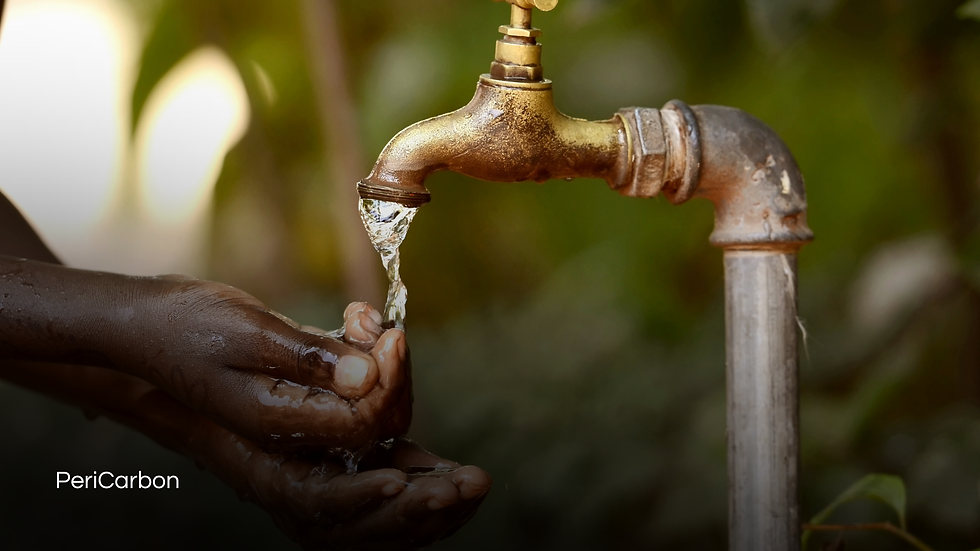
Safe water and WASH projects are an emissions-reduction project type within the community & distributed devices segment of the carbon market. They are designed to lower emissions by reducing the need to boil or otherwise treat drinking water with higher-emissions fuels. The carbon benefit comes from reduced fuel combustion for water purification relative to baseline practice. Common project configurations include Safe drinking water supply; community water treatment systems.
These credits typically hinge on whether households truly avoided boiling or other higher-emissions treatment methods, making usage verification central. These projects often sit close to households and communities, which can create meaningful health, cost, and time-saving co-benefits alongside emissions reductions, but usage, adoption, and monitoring quality matter a great deal. For buyers and program designers, the most important diligence questions are: What is the baseline treatment behavior? Is usage verified? Are project boundaries limited to real end-user displacement of fuel use?
How it works
Reduced fuel combustion for water purification relative to baseline practice.
Type
Reduced
Examples of Projects
Safe drinking water supply; community water treatment systems.
Category
Community-based solutions
Market Maturity
Established
Safe water and WASH
Projects that lower emissions by reducing the need to boil or otherwise treat drinking water with higher-emissions fuels.